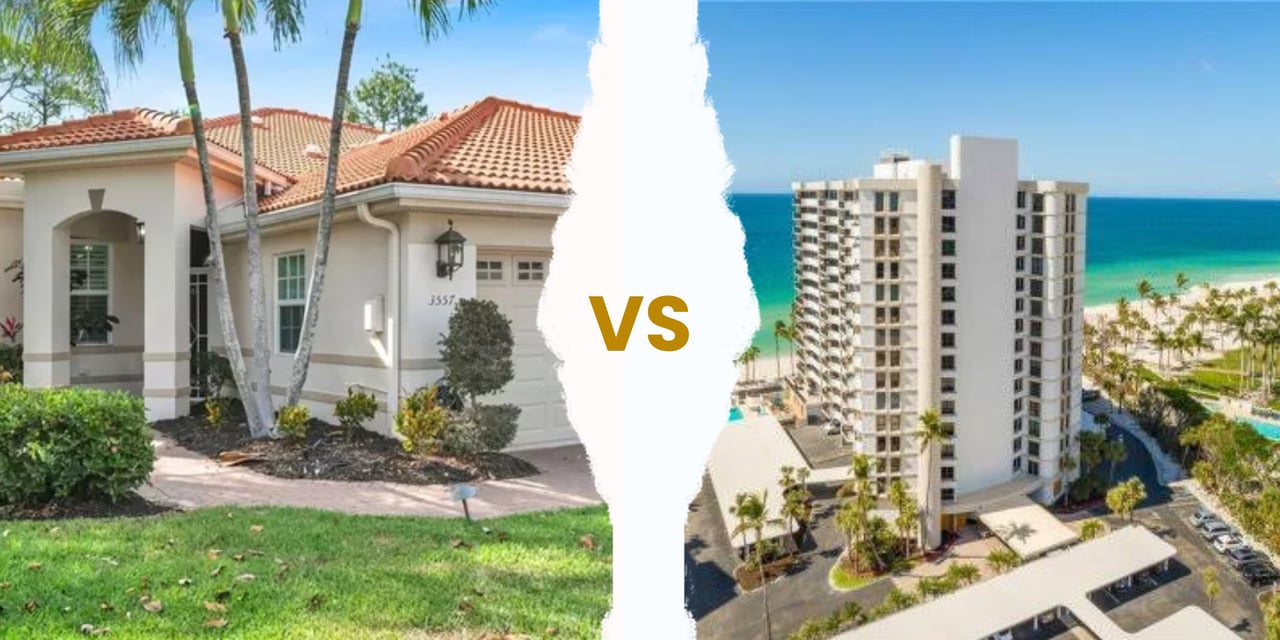
CONDO VS. SINGLE-FAMILY: A TALE OF TWO NAPLES MARKET
There is a real divergence taking shape in Naples housing right now, and it is easy to miss if you're only glancing at headline figures. Single-family homes and condominiums, which have moved roughly in step with each other for years, are now behaving like two entirely different asset classes. One is holding its value, in places even gaining. The other is working through something more complicated. The interesting part isn't the gap itself. It's what's actually driving it.
The real fault line was never condominium versus estate. It's a single document that separates a well-run building from a costly one: the reserve study, and increasingly, the special assessment notice that follows when reserves haven't kept pace.

An unusual split is taking shape in the Naples market. Single-family homes and condominiums, which have generally moved together for years, are now pulling apart in a way I think is worth looking into.
The distinction comes down to a set of state regulations most buyers have never encountered, and a single document that quietly separates a sound investment from a costly one. Worth understanding before you commit to either path.
The reckoning behind the numbers
In the aftermath of the Surfside collapse, Florida fundamentally rewrote how condominium associations are permitted to fund their own upkeep. Boards could once vote to defer reserve contributions indefinitely, effectively postponing the cost of a roof or a facade to some undefined future date. That latitude no longer exists. Every building three stories or taller must now fund its structural reserves on a defined schedule, regardless of what a vote of residents might prefer.
The policy is a prudent one. Its consequence, in the near term, is that many associations are settling years of deferred funding at once. For some owners, this arrives as a modestly higher monthly assessment. For others, it arrives as a single substantial invoice. The detail that surprises buyers arriving from out of state: a conspicuously low HOA fee is now cause for scrutiny rather than celebration, since it often signals reserves that have yet to be brought current.
Not a verdict on either category
This is not, however, a case against condominium ownership. Along Naples Beach specifically, the pattern reverses: well-situated, well-capitalized buildings are holding their value more effectively than a number of single-family homes nearby. The dividing line was never condominium versus estate. It is financial discipline versus its absence, and address versus address. A modest building with healthy reserves in the right location can prove a considerably sounder acquisition than a handsome home governed by an association in disarray.
NAPLES BY THE NUMBERS
+14.1% - SINGLE-FAMILY MEDIAN
up to $850,000 yoy
-8.0% - CONDO MEDIAN
down to $450,900 yoy
$711/mo - SOLD, LAST 6 MON
Naples-Marco Island
NEIGHBORHOOD CORNER
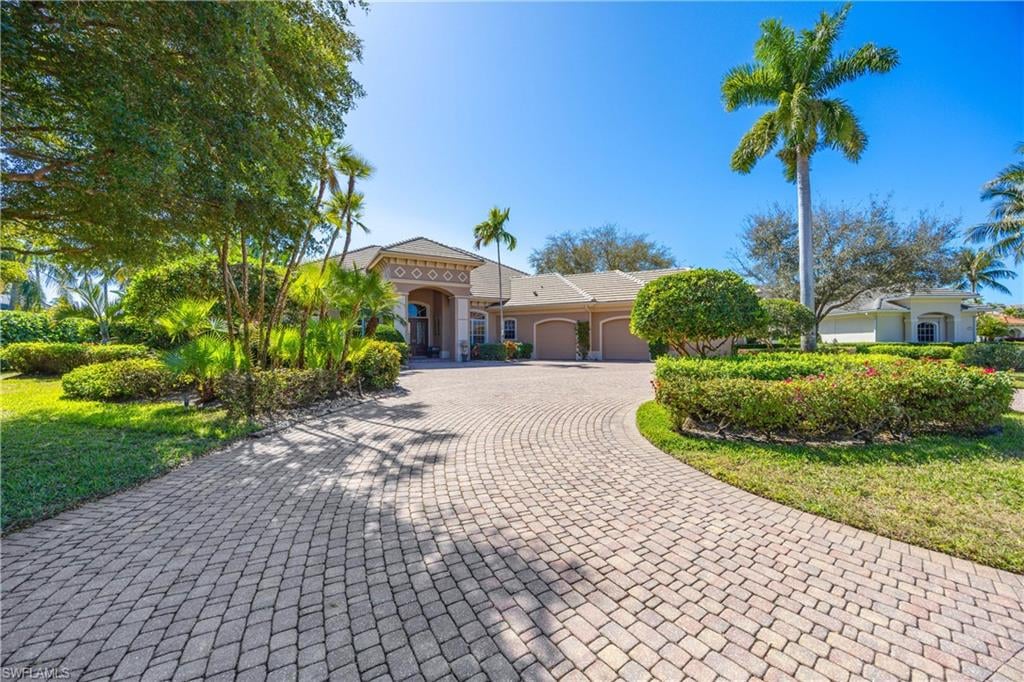
Pelican Marsh
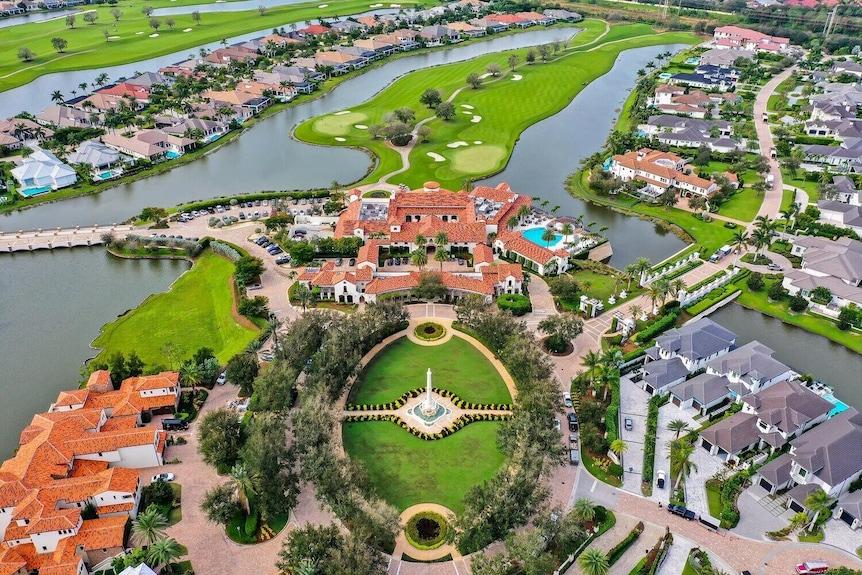
Pelican Marsh occupies a rare middle ground in North Naples: over 1,100 acres of lush, mature landscaping and gated privacy, without the ultra-exclusive price ceiling of communities like Mediterra or Grey Oaks. The 18-hole Robert Von Hagge championship course anchors the community, and unlike many Naples golf communities, membership isn't mandatory, buyers can opt into full golf access or a lighter social membership depending on how they actually want to live.
What makes Pelican Marsh especially versatile is its range: nearly 30 subdivisions spanning condos, villas, and estate homes, with prices starting around $300K for a condo and stretching well into eight figures for the largest estates. That range means the community genuinely works for young professionals, retirees, and families alike, not just one buyer profile.